
Compare configurations
Use the truck-mounted and skid-mounted rig comparison when the decision is about mobility, foundation work, rig-up time, transport dimensions and site layout.
Use these guides to narrow the equipment scope before contacting ZYT Petroleum Machinery. The content focuses on specifications, operating conditions and information a supplier needs to prepare a useful response.
International buyers often search by equipment type, operating task and specification requirement. These resource pages connect those searches with product pages and inquiry information.
Use the truck-mounted and skid-mounted rig comparison when the decision is about mobility, foundation work, rig-up time, transport dimensions and site layout.
Use the workover and cementing guides to list depth, hook load, pressure, displacement, fluid data and supporting systems before requesting a technical quotation.
Each guide links back to relevant product models so buyers can review technical specifications, related equipment and the contact path without returning to the top navigation.
Each guide connects a common purchasing question with relevant products and the technical details that should be confirmed before final equipment selection.
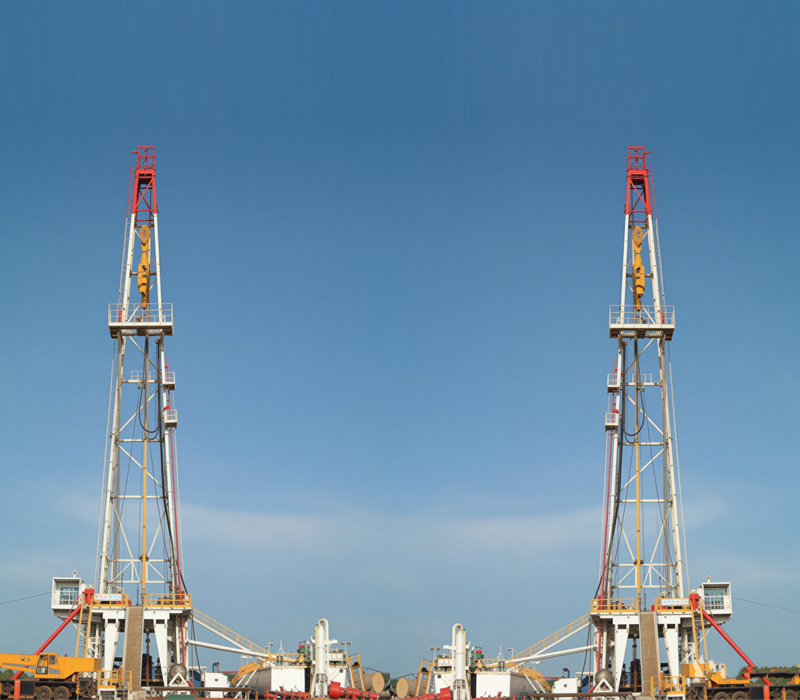
Side-by-side rated specifications across the full product line: hook load, depth rating, power and drive configuration in one comparison.
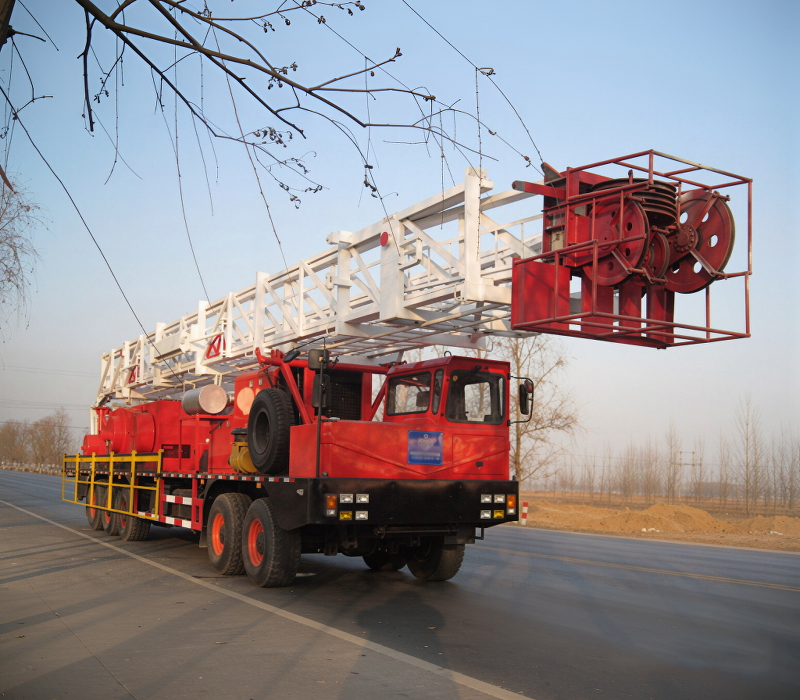
Step-by-step method: string weight, buoyancy factor, block weight and safety margin, with a worked 4,000 m example against real rig ratings.
Before-shift, monthly and annual checks for drawworks brakes, drill line, mast welds and hydraulic system. Keep the rig between overhauls.
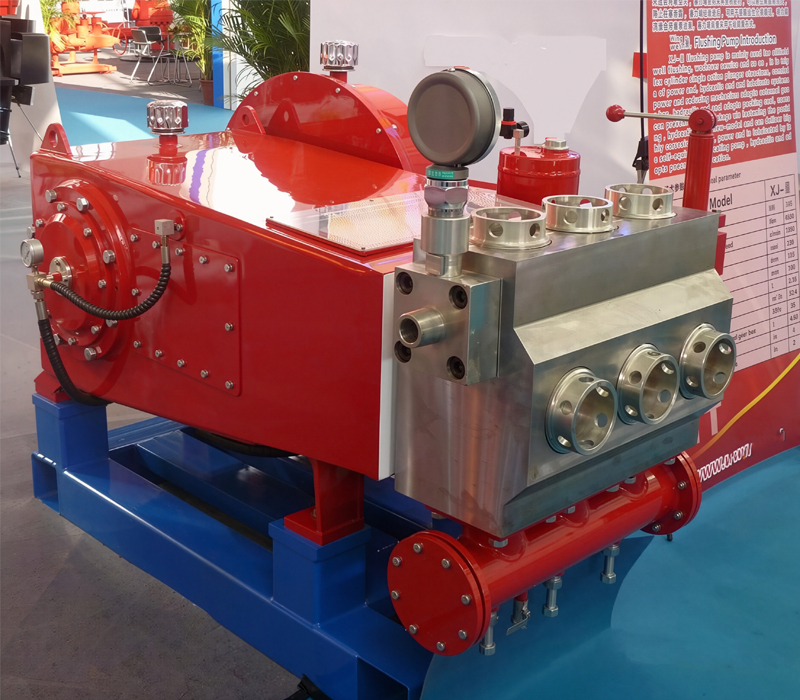
Flow pulsation, pressure ripple, weight and maintenance differences. When triplex is right and when quintuplex earns its cost.
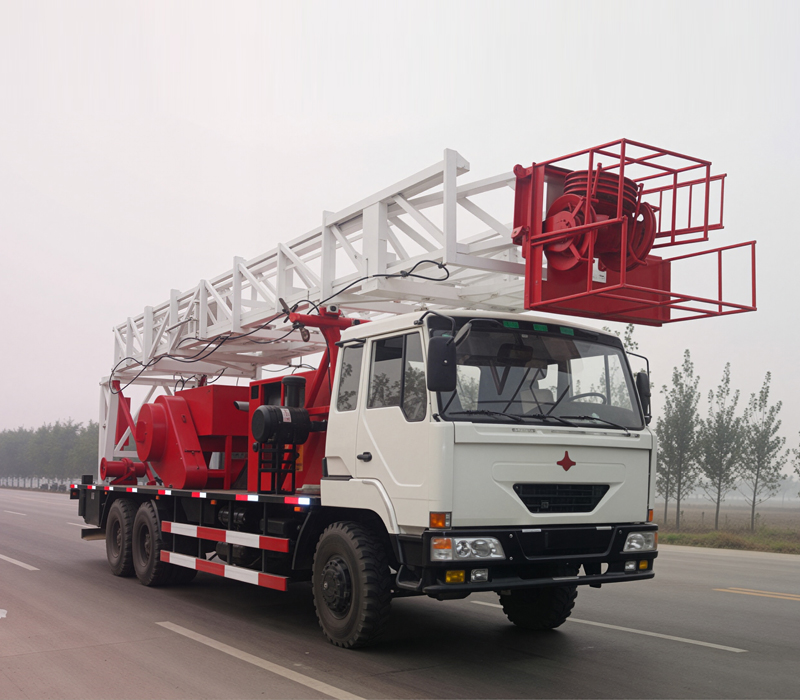
Compare working depth, hook load, mobility, chassis and support requirements before requesting a quotation.
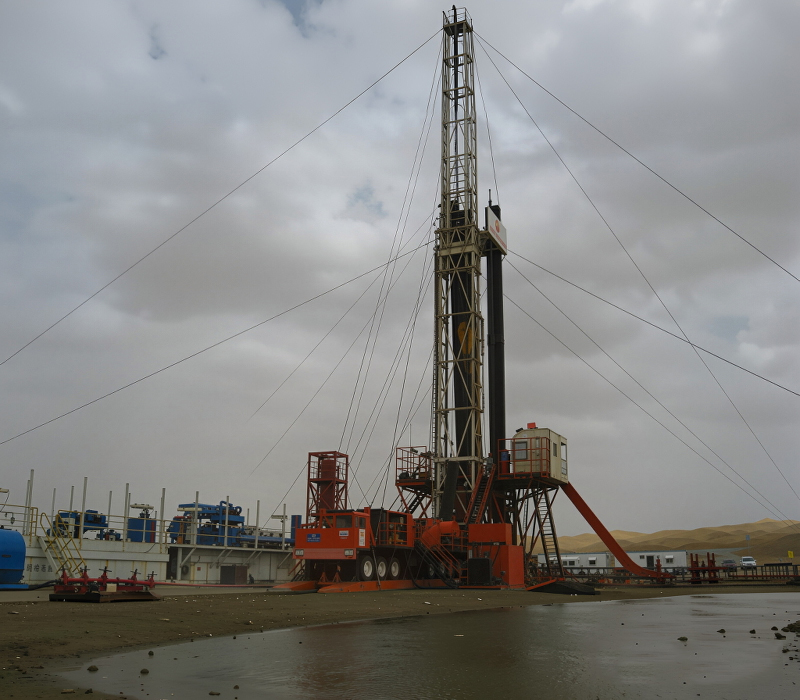
Compare mobility, installation, site layout and operating priorities when choosing a rig configuration.
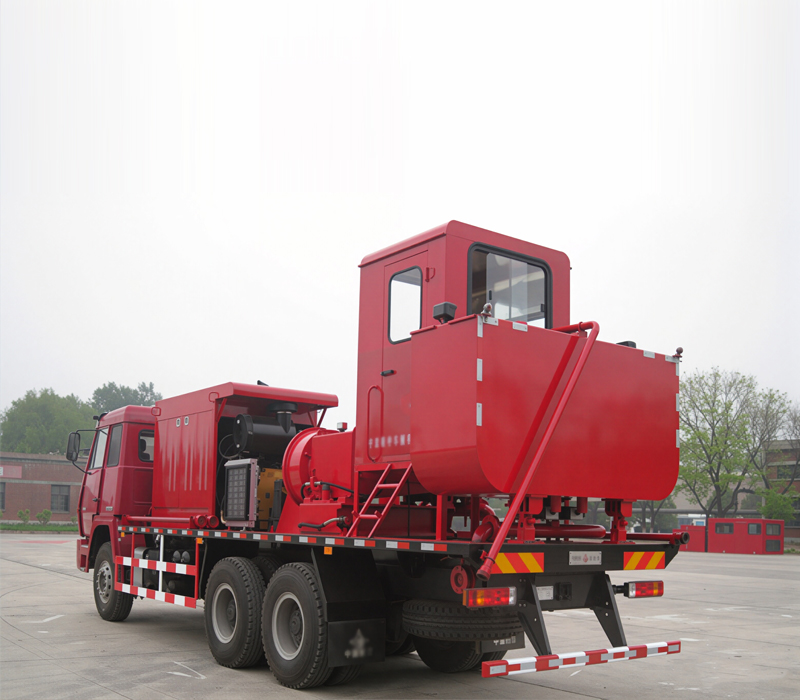
Prepare pump configuration, pressure, displacement, fluid handling, controls and site deployment data.
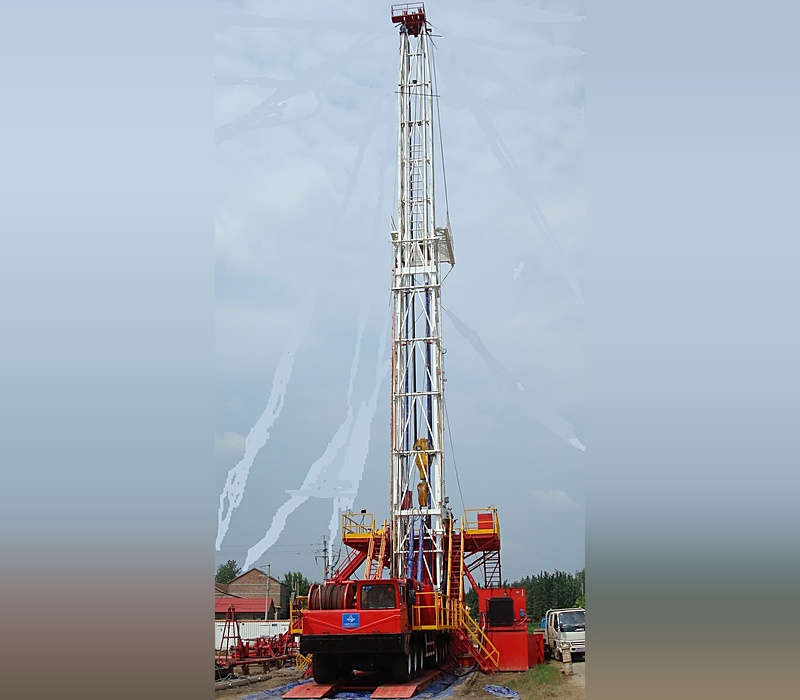
Compare task, structure, depth, hook load, mud system and mobility between the two rig classes.
Check API 4F, API 7K, API 8C and API Q1 coverage, and verify certificates in a quotation.
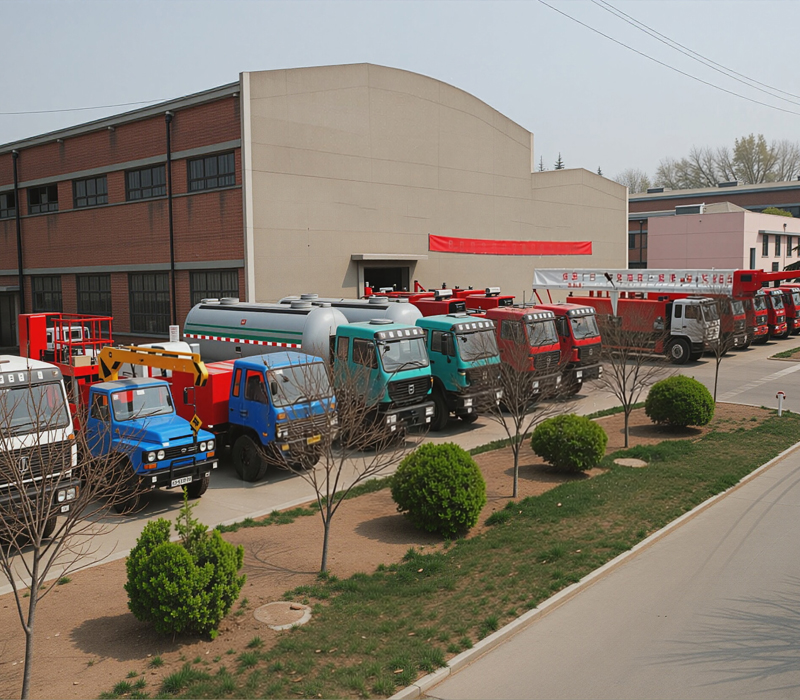
Audit machining, assembly, test bay and quality documents before trusting a quotation.
Compare purchase price, remaining life, certification, hidden wear and inspection across the operating years.
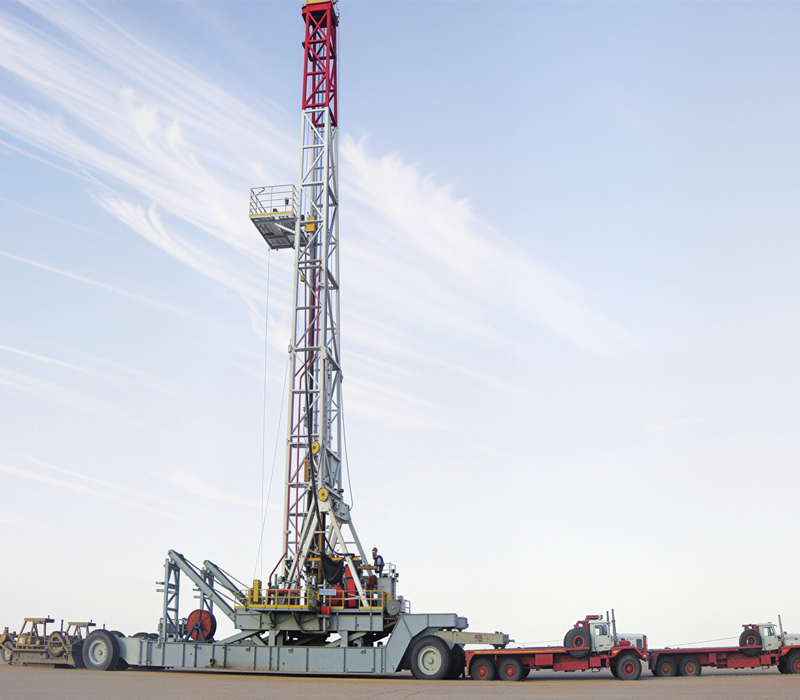
Compare self-propelled moves, skid moving systems and trailer transport against the field move plan.
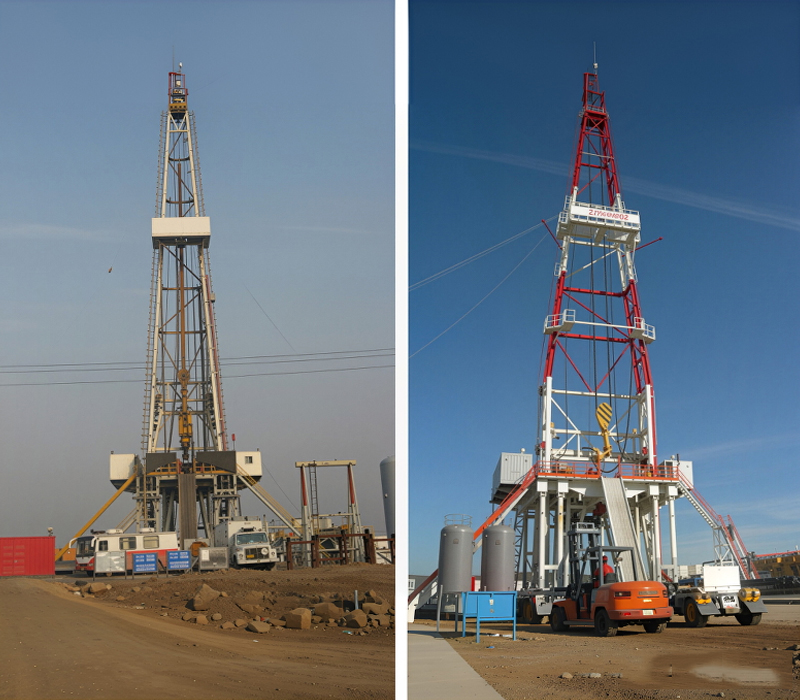
Review rig structure, mud system, power, cementing and workover terms used in quotations.
References prepared under customer NDA, and the engineering method used to scope your own project against the same field conditions.
For a faster and more accurate technical response, include the equipment type, target application, well depth or pressure, expected capacity, operating environment, quantity, destination and any required standards or documentation.
Explain whether the equipment is for drilling, workover, well intervention, cementing, fracturing, production support or rig relocation.
Provide depth, hook load, pressure, temperature, fluid type, terrain and expected operating frequency where known.
State quantity, delivery destination, required supporting equipment, documentation and the preferred contact method.
These answers help organize the inquiry. Final selection still depends on the available technical documentation and project conditions.
Confirm the planned well depth, tubing or drill pipe size, hook load, mobility requirement, site access, operating environment and whether the unit will be moved frequently or installed for long-cycle work.
Truck-mounted equipment is generally considered when self-propelled mobility and repeated relocation are important. Skid-mounted equipment is generally considered when the site has a prepared foundation and the equipment will remain in a fixed or centralized operating position.
The product range includes supporting equipment such as fluid supply trucks, instrument vehicles, rig moving systems, power equipment and well service units. The final matched scope should be confirmed against the main equipment and site requirement.