
Resource guide

How to select a truck-mounted workover rig.

A workover rig should be selected from the well task, load, depth and relocation requirement. This guide turns those inputs into a clearer first comparison.

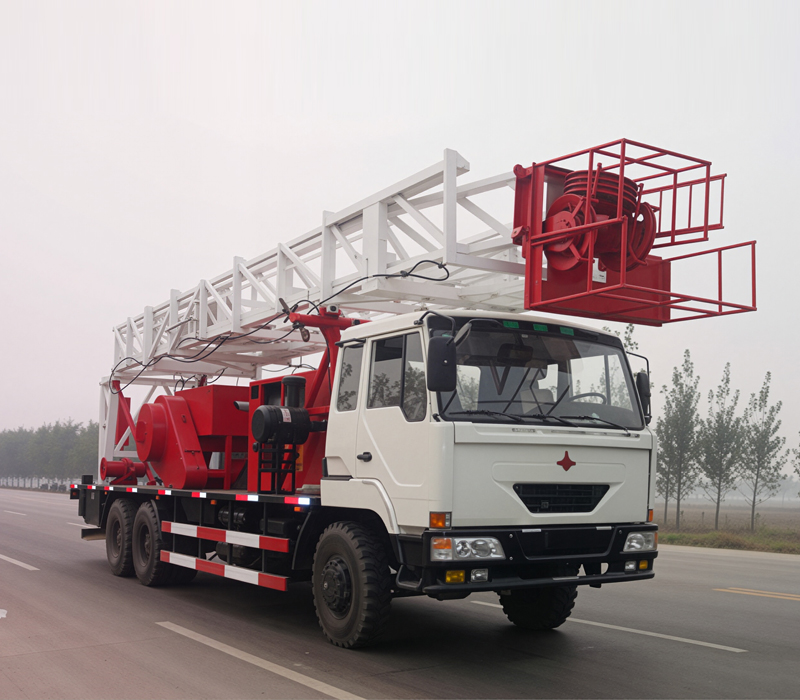
250HP truck-mounted workover rig for shallow and medium-depth well serviceBuyer review

Use the guide to define the technical question.

A buyer should compare workover depth, tubing or drill pipe size, hook load, mast, chassis, road conditions and supporting units before shortlisting models. Horsepower is useful, but it should not be the only selection factor.

Technical specifications

Review the parameters that control field use before treating a model name as sufficient for quotation.

Supplier comparison

Compare how each supplier confirms configuration, documentation, auxiliary equipment and after-sales support.

Quotation preparation

Send the operating task, capacity requirement, quantity, destination and required documents to avoid generic replies.

Supplier review note.

A useful workover rig inquiry states the planned task, target depth, tubular size, load margin, relocation frequency, site access and any coiled tubing, wireline, swabbing or flushing requirement.

Buyer questions

FAQ for this guide.

Use these answers as a starting point, then confirm the final scope against the product documentation.

Which workover rig parameter should be checked first?

Start with the required workover depth and tubing or drill pipe size, then check nominal and maximum hook load. After that, compare mobility, mast, chassis, operating environment and supporting equipment.

Can a workover rig also support drilling or well service?

Some models and matched configurations may support more than one field task. Confirm the exact product scope, technical parameters and intended use with the supplier before treating a model as multi-purpose equipment.