
Technical fit
Review the product line against the operating depth, load, pressure, flow, mobility or site conditions that control the final specification.
Build a workover scope around well depth, lifting requirement, intervention method, site mobility and the supporting units required at the well site.
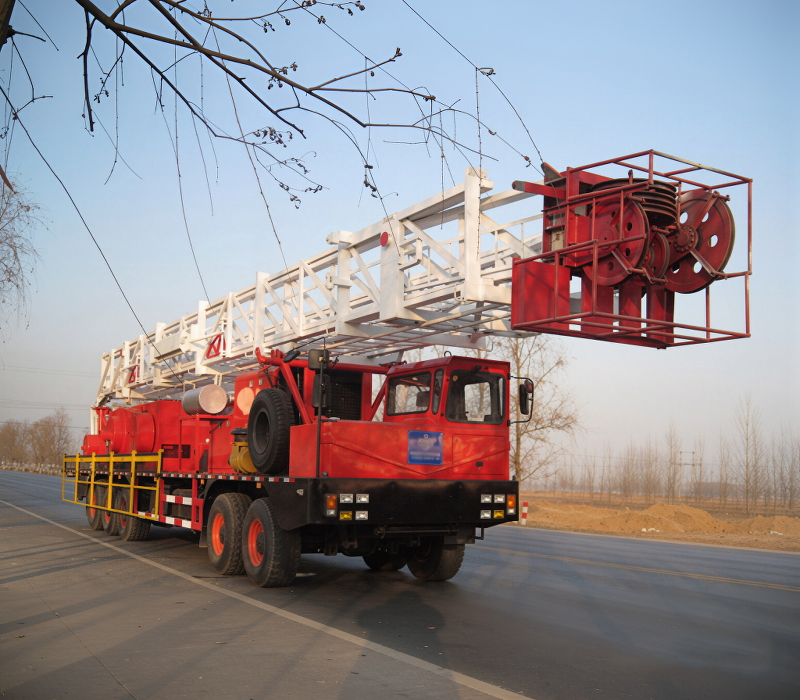 Operating requirement
Workover equipment selection should begin with workover depth, tubing or drill pipe size, required hook load and the type of intervention planned. Mobility and site access are equally important when the rig will move between scattered wells or remote locations.
Review the product line against the operating depth, load, pressure, flow, mobility or site conditions that control the final specification.
Ask the supplier to confirm the matched equipment scope, auxiliary systems, documentation and commissioning support before treating the model as final.
Provide the operating task, quantity, destination and any standards or documentation requirements so the response can be specific to the project.
A workover inquiry should explain whether the job is routine well repair, heavy lifting, tubing service, well cleaning or downhole intervention. This allows the supplier to check the rig, auxiliary equipment and field service units as one operating package.
Open the related product pages to compare technical specifications, then send the operating requirement for configuration confirmation and quotation planning.
Browse productsUse these questions to prepare a more complete technical inquiry.
Compare planned workover depth, tubing or drill pipe size, nominal and maximum hook load, chassis and relocation requirement, mast dimensions, operating environment and supporting equipment.
A higher horsepower model should be considered when well depth, lifting load, operating cycle or terrain creates a requirement beyond a smaller model. The final choice should be confirmed against the project specification.