300 to 2700 kN Hook Load
Rated load steps 300, 585, 675, 784, 900, 1125, 1350, 1580, 1800, 2250 and 2700 kN across the YG30 to YG270, matching a shallow workover block to a deep-drilling hook-load envelope.
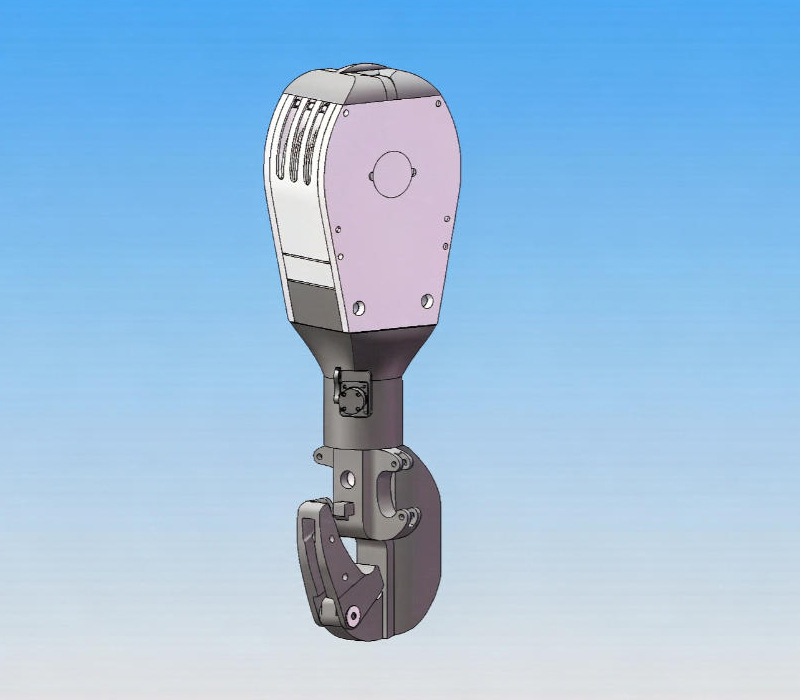
The YG travelling-block-and-hook series runs from the YG30 at 300 kN rated load to the YG270 at 2700 kN, with pulley sets of three to five sheaves strung on 22, 26, 29 or 32 mm wireline depending on model. All twelve variants carry a three-hook body, and unit mass grows from 490 kg on the YG30 to 4900 kg on the YG270. The combined block-and-hook is the point where drill-line pull becomes hook load, carrying the string into the derrick and presenting the elevators and tool joint to the driller.
Rated load steps 300, 585, 675, 784, 900, 1125, 1350, 1580, 1800, 2250 and 2700 kN across the YG30 to YG270, matching a shallow workover block to a deep-drilling hook-load envelope.
Sheave count runs three on the lighter YG30 and YG70 to five on the YG160, YG225 and YG270, the line configuration that trades drum pull against hook speed at the chosen number of lines.
Applicable drill-line diameter is 22 mm on the YG60 and YG70, 26 mm through the mid-range, and 29 to 32 mm on the YG180, YG225 and YG270, so the block is ordered to the rig wireline rather than re-bushed.
All YG variants use a three-hook body, giving a common elevator and latch arrangement across the range so crews trained on one model work the whole fleet without a new latch-up routine.
Block-and-hook mass runs 490 kg on the YG30 to 4900 kg on the YG270, the lift weight the derrick handling and floor crew plan for when the block is rigged in or moved.
The block converts fast-line pull into multiplied hook load through the sheave count, and the YG series is sized so that at the rated number of lines the drill line stays inside its own tension limit at maximum hook load.
| Product | Series of Travelling Hook |
|---|---|
| Product line | Assembly Parts |
| Name | travel hook | ||||||||||||
| model | YG30 | YG60 | YG70 | YG80 | YG90 | YG110 | YG135B | YG160 | YG160B | YG180 | YG225 | YG270 | |
| (KN) Max. rated load | 300 | 585 | 675 | 784 | 900 | 1125 | 1350 | 1580 | 1580 | 1800 | 2250 | 2700 | |
| Pulley qty. | 3 | 4 | 3 | 4 | 3 | 4 | 4 | 5 | 4 | 4 | 5 | 5 | |
| (mm) Applicable wireline dia. | 24 | 22 | 22 | 26 | 26 | 26 | 26 | 26 | 29 | 32 | 32 | 32 | |
| Hook body type | Three hook | Three hook | Three hook | Three hook | Three hook | Three hook | Three hook | Three hook | Three hook | Three hook | Three hook | Three hook | |
| (kg) | 490 | 1200 | 1150 | 1500 | 2000 | 2310 | 2840 | 3280 | 3200 | 4630 | 4730 | 4900 | |
For a useful technical response, include the target well conditions, operating depth or pressure, expected quantity, destination and any required configuration.
Send an InquiryAvailable configurations can be matched to the equipment model, operating conditions and project requirements.
What buyers check on the travelling hook series: hook rating, line arrangement and rig-class fit.
The travelling hook is the core heavy-load hoisting component of drilling and workover rigs. It cooperates with the whole hoisting system to bear downhole string weight and complete all heavy-load hoisting operations such as drill string tripping, casing running and downhole tool lifting, which directly determines the safety and efficiency of wellbore construction.
The integrated block-and-hook is shorter in suspension height than a split block and hook, which frees headroom on the derrick and gives more effective hoisting travel. The one-piece body also removes the bolted connection point that is the typical failure mode on long-cycle heavy loads — no separate block-to-hook joint to work loose.
Model selection is set by the rig's maximum hook load and the drill line already on the drawworks, not by a generic tonnage class. The light group — YG30 at 300 kN through YG90 at 900 kN — matches shallow workover and 250 HP class rigs. The mid group — YG110 at 1125 kN through YG160/160B at 1580 kN — covers medium-deep drilling and the 350/450 HP workover class. The heavy group — YG180 at 1800 kN through YG270 at 2700 kN — is for deep drilling and the 750 HP and larger rigs. Send the rig hook rating, the drill-line diameter and the planned reeving count and we quote the exact model from the twelve in the range.
The sheave grooves are induction-hardened for wear resistance against the drill line, and the bearings are precision-assembled for even load distribution. Load-bearing parts are NDT-checked before dispatch, and the three-hook latch is cycled on the shop test rig. The block is sized to the rig's drill line and hook rating rather than to a generic tonnage class.
Yes. The configuration is settled against the drill line and derrick before the order: rated load (YG30 at 300 kN to YG270 at 2700 kN), sheave count, applicable wireline diameter (22 to 32 mm) and the three-hook latch and elevator interface are matched to the rig reeving, then written into the quotation and the factory test report.
Commercial terms are confirmed in the quotation for the exact configuration, quantity and destination.
Built to API Spec 8C at the Jingzhou plant under ISO 9001:2015 quality management; each YG block-and-hook is load-tested against its model rating, with sheaves turned and the hook latch cycled before dispatch. The certificate scope is listed in the quotation.
Load-test certificates, sheave-dimension drawings and hook-latch inspection records are supplied; the block and hook are tagged with serial numbers traceable to the factory test.
Confirmed in the quotation according to configuration, quantity and destination.
Manuals, conventional spare parts and remote technical guidance are included; on-site commissioning and operator training can be arranged on request.
Payment schedule, Incoterms, port and packaging are agreed in the sales contract.
A recommended spare-parts list for the first operating period is provided with the quotation.
Explore nearby products to compare equipment scope before sending an inquiry.
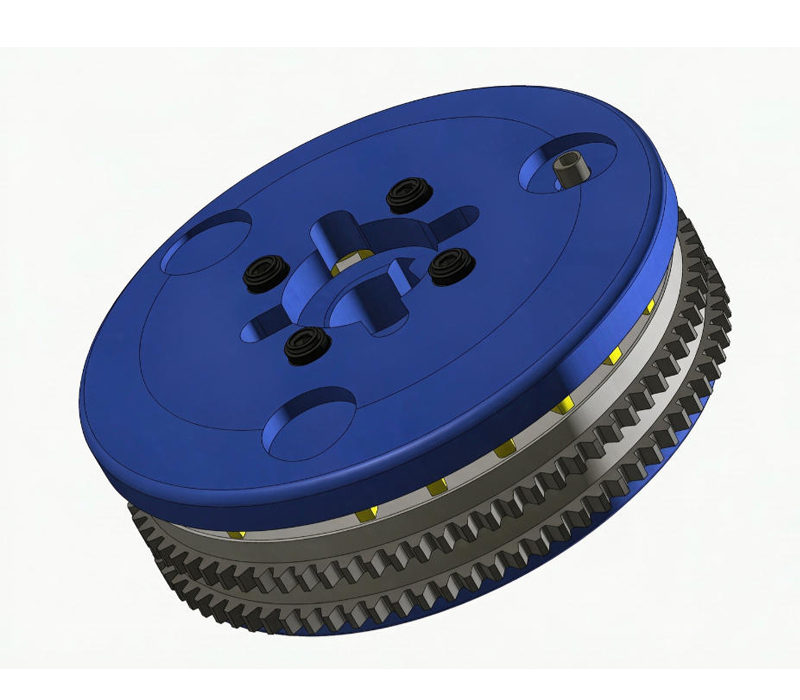
Spanning static torque from 8.1 kN.m on the ATD-214H to 110.8 kN.m on the ATD-330H, the ATD air-tube and push-disc clutch is the dry friction element that connects and disconnects the rig drawworks, mud pump and…
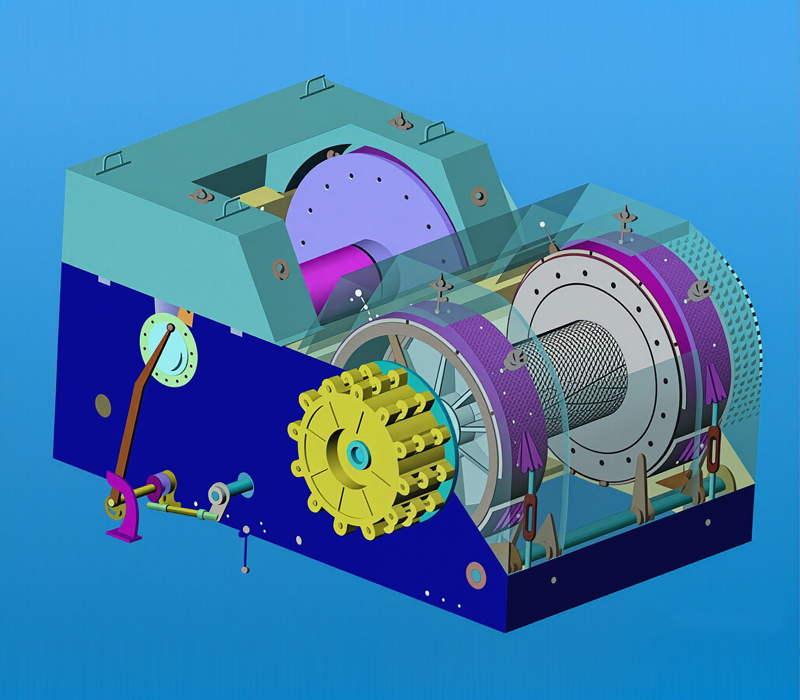
The JC series drawworks span input power from 150 kW on the JC08 to 600 kW on the JC28/11, with maximum fast-line pull on the second drum layer from 80 kN to 280 kN.
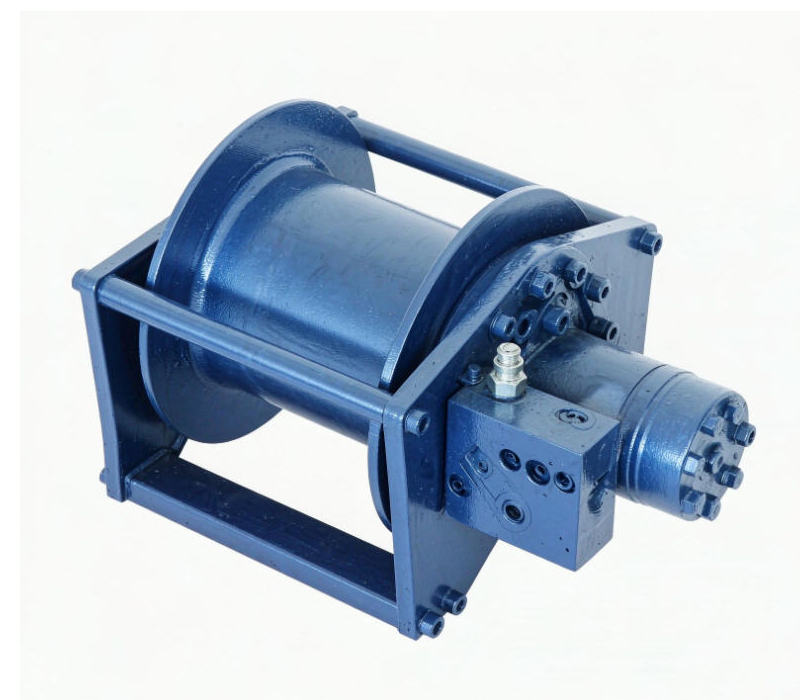
The YC3 and YC5 hydraulic winches cover 3-tonne and 5-tonne line pulls, driven hydraulically at 14 MPa on the YC3 and 16 MPa on the YC5.