80 kN and 50 kN Load Ratings
The YCZ01 and YCZ02 are rated to 80 kN pull and the YCZ03 to 50 kN, the figure set by the swab-cup drag and line tension the tool is expected to hold at depth.
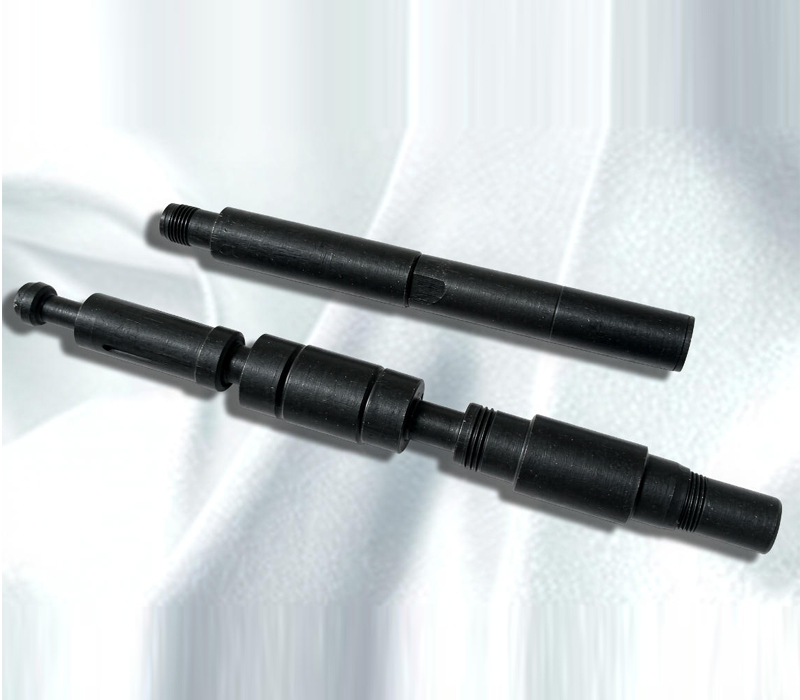
The YCZ swabbing tool series covers integral and semi-sectional builds at 5 1/2 in and 2 1/2 in sizes, with a maximum load-bearing capacity of 80 kN on the YCZ01 and YCZ02 and 50 kN on the smaller YCZ03. The YCZ01 is a one-piece integral tool, while the YCZ02 and YCZ03 split into sections for deployment through the slickline lubricator. It is the wireline end for well testing, cleanup, fluid unloading and flow induction, pulling a swab cup through the tubing to lift liquid and bring a well toward flow.
The YCZ01 and YCZ02 are rated to 80 kN pull and the YCZ03 to 50 kN, the figure set by the swab-cup drag and line tension the tool is expected to hold at depth.
The YCZ01 and YCZ02 are built for 5 1/2 in casing while the YCZ03 runs the 2 1/2 in tubing size, matching the tool OD to the smallest restriction the string must pass.
The YCZ01 is a single integral body and the YCZ02 and YCZ03 are semi-sectional, so a long 5 1/2 in tool and a tight 2 1/2 in tool are both deployable through the same lubricator stack.
The tool runs on slickline rather than an electric wireline, so it is deployed by a basic unit drum and sheave without the e-line logging cable the job does not need.
The cup drags a seal against the tubing wall, lifting the liquid column above it on each upward stroke to unload the wellbore and kick a flow that a shut-in well will not produce on its own.
The tool follows the Guiberson-type end connection, so cups, rope sockets and jars interchange with the hardware most slickline crews already carry on the unit.
| Product | Swabbing Tool |
|---|---|
| Product line | Assembly Parts |
| model parameter | YCZ01 | YCZ02 | YCZ03 |
| type | integral | semi-sectional | Semi-sectional |
| specification | 5 1/2 | 5 1/2 | 2 1/2 |
| (KN) Max. load-bearing capacity | 80 | 80 | 50 |
For a useful technical response, include the target well conditions, operating depth or pressure, expected quantity, destination and any required configuration.
Send an InquiryAvailable configurations can be matched to the equipment model, operating conditions and project requirements.
What buyers check on the swabbing tool: cup design, sand tolerance and downhole safety features.
The swabbing tool is a key slickline well intervention tool for oil and gas well testing and cleanup. It efficiently lifts and discharges wellbore kill fluid, accumulated water and residual working fluid, reduces bottom hole pressure, induces natural fluid inflow from the reservoir, and effectively activates low-yield and dead wells to restore production capacity.
Compared with pump drainage and flushing, swabbing needs no large workover rig: the tool run is simple, low-cost and leaves the wellbore wall and reservoir undisturbed. The swab cups lift the bottom-hole fluid column out in one pass with little residual, which gives the well-tester a clean drawdown for the subsequent production test.
Yes. The optimized streamlined tool body and anti-blocking swab cup structure can effectively adapt to wellbore fluid with fine sand and impurities. The high-toughness elastomer material resists abrasive wear, avoiding sealing failure and tool jamming, ensuring stable operation in complex sediment-containing well conditions.
The tool is equipped with high-strength weight bar and safety locking joint, with integrated reinforced connecting structure to improve overall tensile resistance. The scientific gravity stabilization design ensures vertical downhole operation posture, preventing twisting, deflection and unhooking, effectively eliminating downhole tool dropping risks.
Yes. The configuration is settled against the well programme before the order: tool size (2 1/2 in on the YCZ03 or 5 1/2 in on the YCZ01/YCZ02), swab-cup type, integral or semi-sectional build, material grade and the safety locking joint are matched to the tubing diameter, well depth and produced medium, then written into the quotation.
Commercial terms are confirmed in the quotation for the exact configuration, quantity and destination.
Built at the Jingzhou plant under ISO 9001:2015 quality management, each swab tool, mandrel and cup assembly is hydro-tested and dimensionally inspected before shipment; material and hardness checks are documented in the factory test report supplied with the order.
Operation and maintenance manuals, chassis documentation and factory test reports are supplied; the hydraulic and electrical schematics are included for the client's service department.
Confirmed in the quotation according to configuration, quantity and destination.
Manuals, conventional spare parts and remote technical guidance are included; on-site commissioning and operator training can be arranged on request.
Payment schedule, Incoterms, port and packaging are agreed in the sales contract.
A recommended spare-parts list for the first operating period is provided with the quotation.
Explore nearby products to compare equipment scope before sending an inquiry.
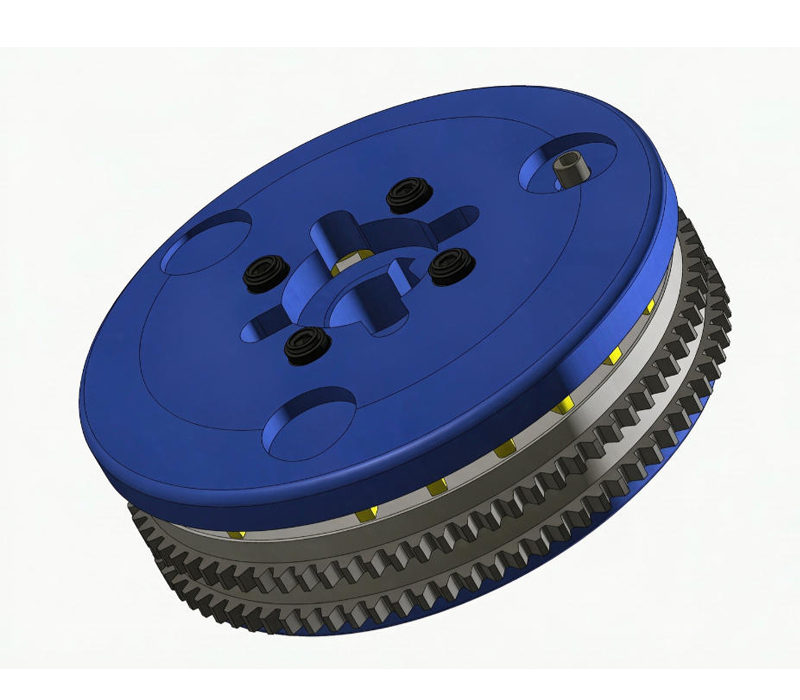
Spanning static torque from 8.1 kN.m on the ATD-214H to 110.8 kN.m on the ATD-330H, the ATD air-tube and push-disc clutch is the dry friction element that connects and disconnects the rig drawworks, mud pump and…
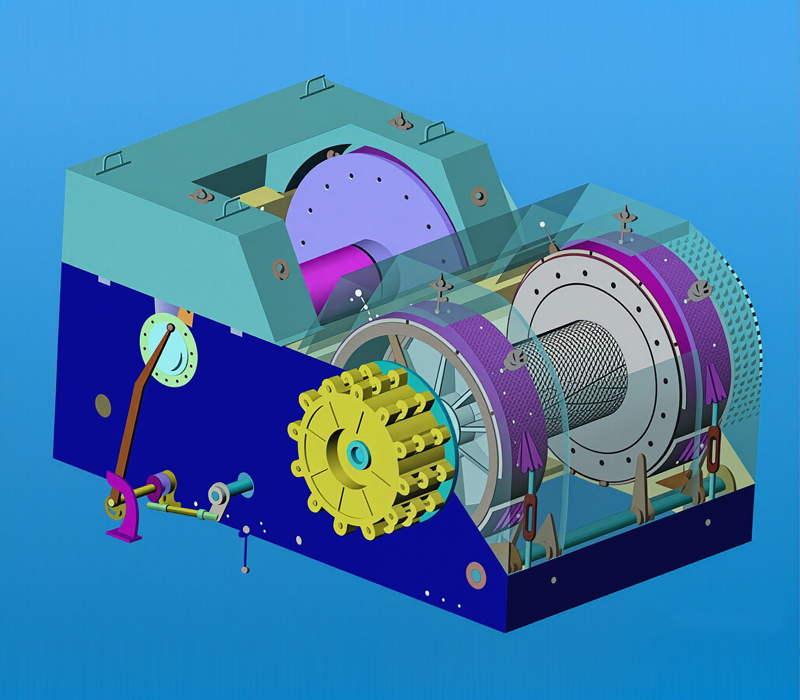
The JC series drawworks span input power from 150 kW on the JC08 to 600 kW on the JC28/11, with maximum fast-line pull on the second drum layer from 80 kN to 280 kN.
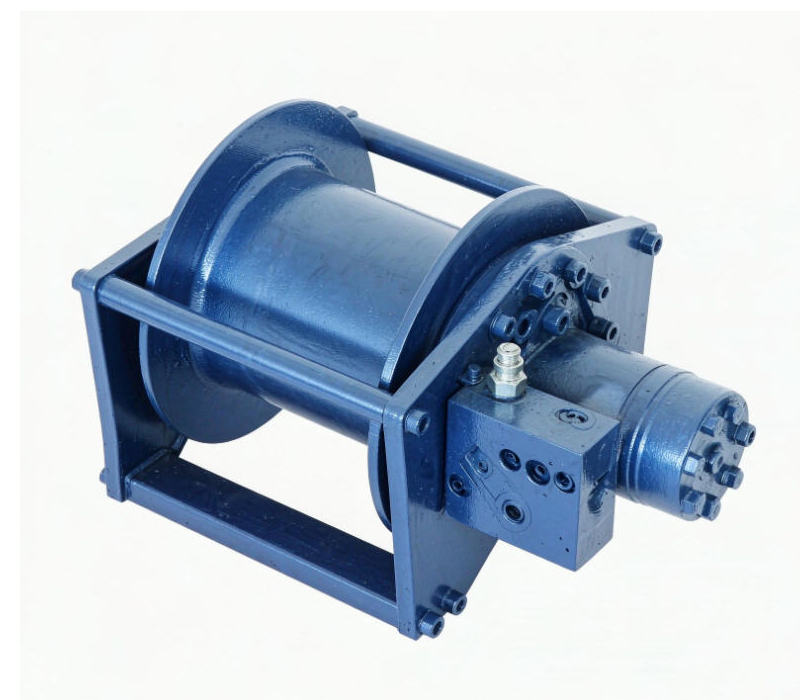
The YC3 and YC5 hydraulic winches cover 3-tonne and 5-tonne line pulls, driven hydraulically at 14 MPa on the YC3 and 16 MPa on the YC5.